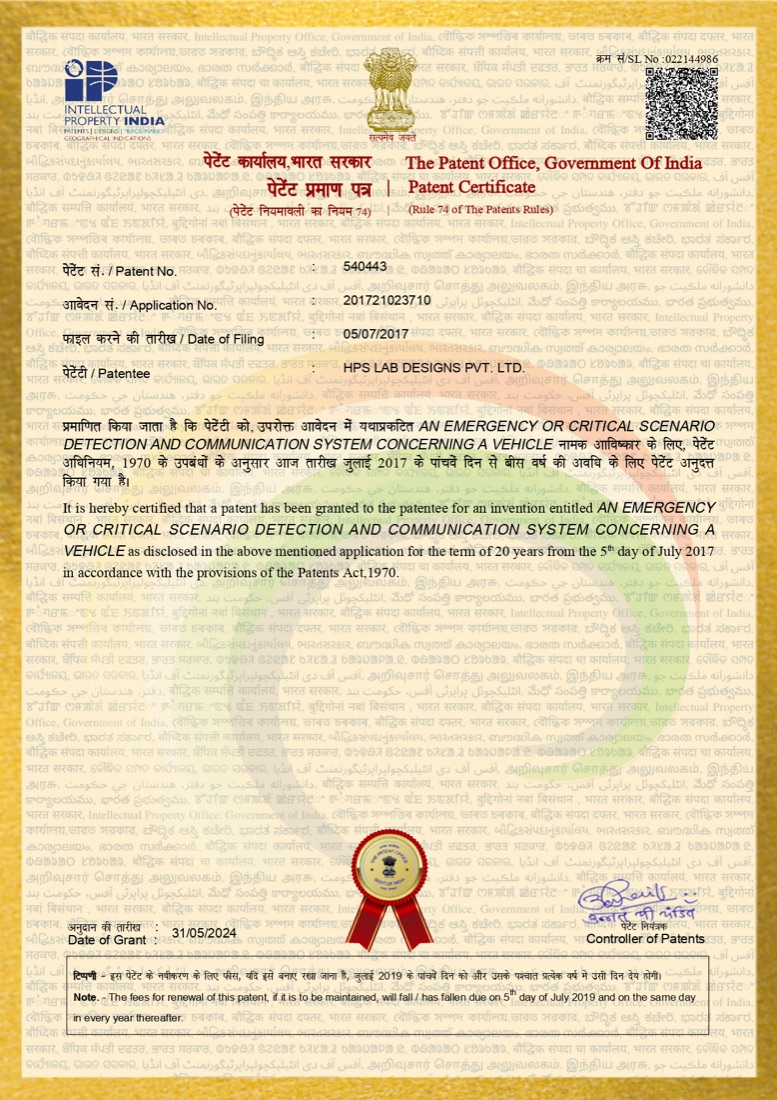
Granted to HPS Lab Designs Pvt. Ltd., the company behind Ajjas — covering crash and fall detection for two-wheelers, cars and heavy vehicles.
Ajjas is a connected vehicle intelligence company operating under HPS Lab Designs Pvt. Ltd. We build the hardware, write the firmware, and run the data platform — so nothing gets lost in translation.
Our devices survive IP67-rated dust and water, Indian voltage fluctuations, and roads that stress-test everything.
One platform. Built in India.
IP67-rated, with patented accident detection algorithms and indigenous firmware.
4G/LTE telemetry with <100ms CAN decoding latency and 99.99% API uptime.
Predictive maintenance, anomaly detection, and battery degradation scoring.
REST API, webhooks, and direct ERP/SAP/CRM pipelines.

Four purpose-built intelligence platforms on one connected ecosystem.
Whether you're an OEM, fleet operator, or rental business — Ajjas has the platform for you.
Ajjas is a connected vehicle and asset intelligence platform built in India for businesses. It puts IoT devices on vehicles, batteries and cooling assets, then turns the data those devices send into operational decisions — which asset is where, how it is being used, and what is about to fail. It is built for operations, finance and engineering teams, not for individual consumers.
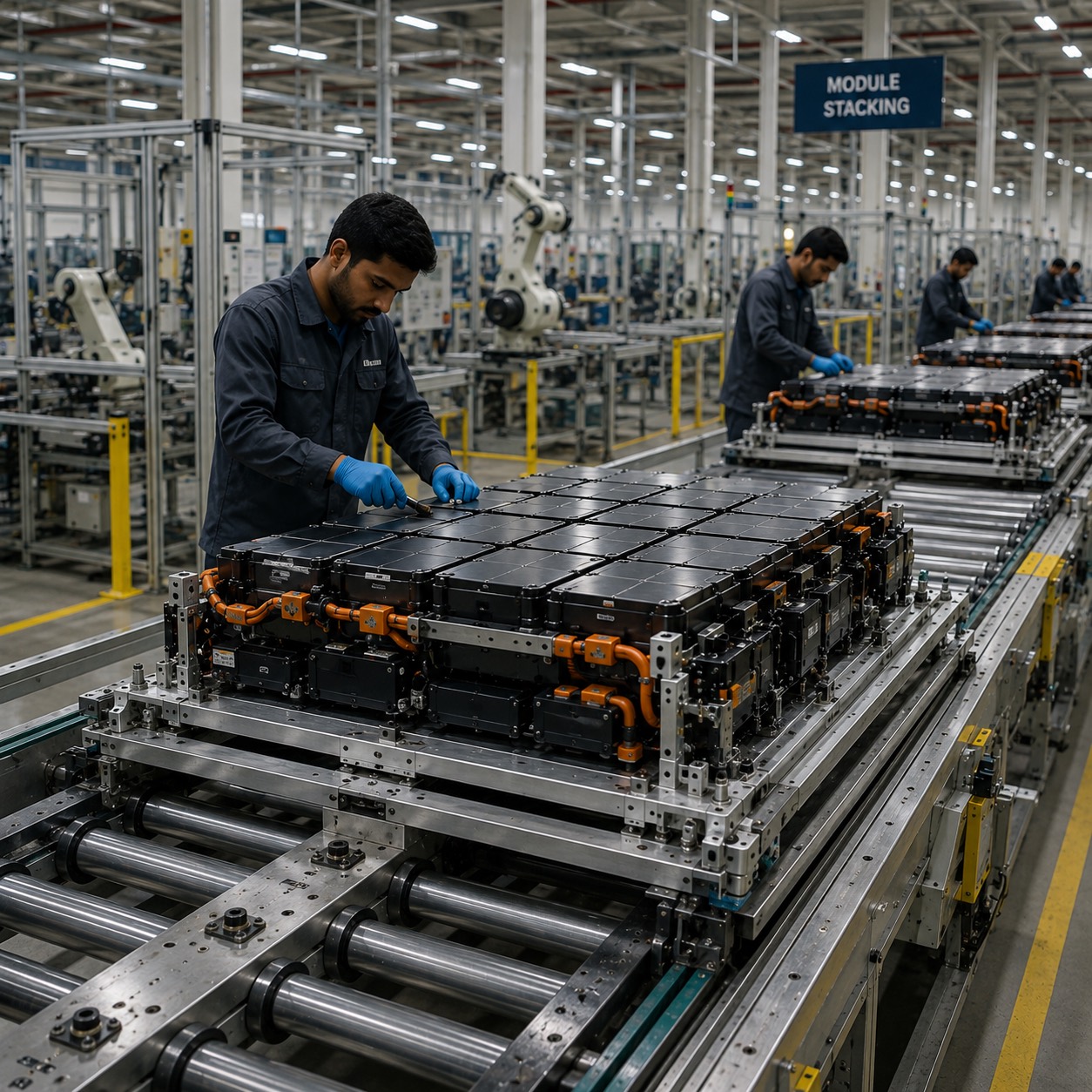
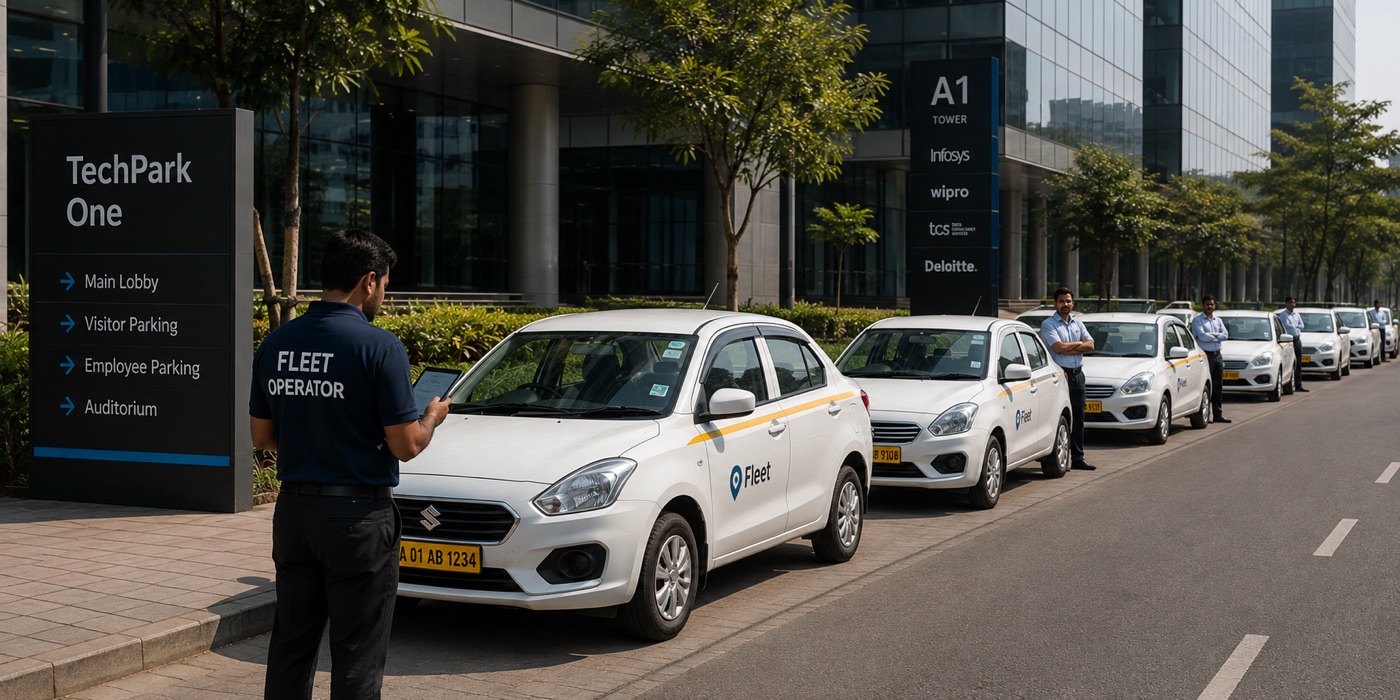
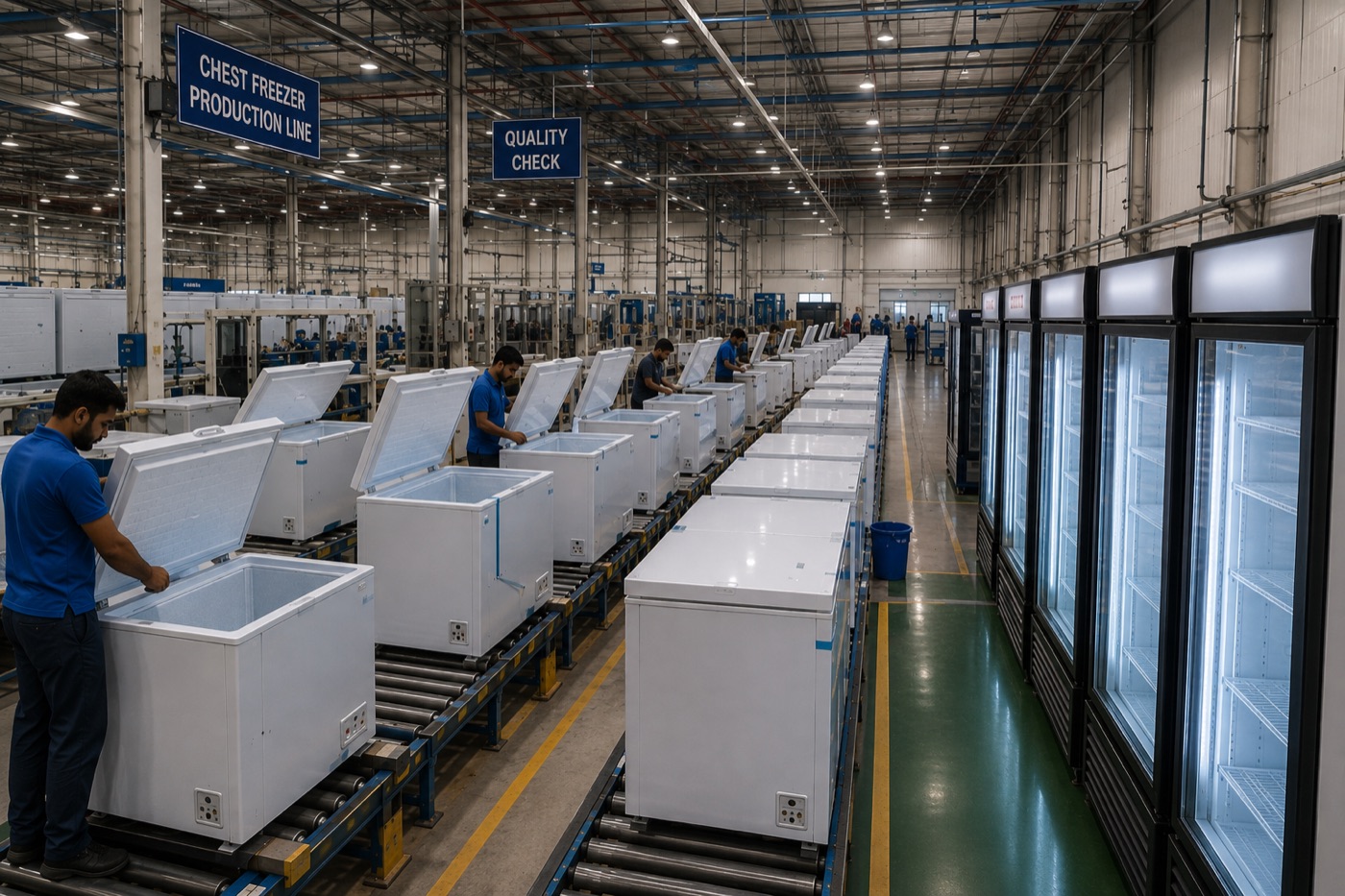
Ajjas works with four kinds of B2B customers in India: battery and EV manufacturers who need field data after the product ships, corporates verifying cab vendor invoices, rental businesses tracking their own fleets, and FMCG and pharma companies monitoring deployed cooling assets. Each has a dedicated solution page with the specifics.
A GPS tracker answers one question: where is it. A connected asset intelligence platform answers business questions — was this invoice honest, is this battery degrading faster than warranty assumes, has this cooler been off for six hours. The device is only the input. The value sits in what the platform does with the data afterwards.
Both. Ajjas designs and manufactures the IoT hardware, writes the firmware that runs on it, and operates the cloud platform and analytics layer above it. Because all three are in-house, changes that would normally need three vendors and three timelines can be handled by one team — which matters when your use case does not fit an off-the-shelf device.
Yes. Every data point on the platform is available through an API, so information can flow into the systems your team already works in — an OEM's own app, a lender's loan management system, or an internal dashboard — rather than sitting in a portal nobody opens. Which integration makes sense depends on the vertical and is scoped early.
Most enterprise engagements start with a scoped conversation about the specific problem, followed by a limited pilot on a defined set of assets so you can see real data from your own field conditions before signing anything larger. Tell us the asset type and rough volume and the team will propose a pilot shape.